Establishment of the Eurasian Council for Craft and Design (ECCD)
Date: 06 January 2026 Place: Kingdom of the Netherlands
Date: 06 January 2026 Place: Kingdom of the Netherlands
The Eurasian Council for Craft and Design (ECCD) was established as an independent international non-profit professional platform aimed at the development of craft and design across the Eurasian space.
ECCD is registered in the Kingdom of the Netherlands and operates in accordance with European standards of governance, transparency, and accountability.
The Council is not a commercial organisation and does not distribute profits. ECCD does not engage in certification, ranking, award-related, or financial grant-making activities.
The mission of ECCD is to promote the sustainable development of craft and design as integral components of the contemporary creative economy, cultural heritage, and the long-term development of regions across Eurasia.
The Council’s activities are implemented through programme-based work, research, professional dialogue, education, and international cooperation, bringing together professional communities, educational and cultural institutions, as well as cities and regions.
ECCD functions as a professional and institutional platform for expert engagement and programme-based cooperation, without exercising political representation or regulatory functions.
Information on the structure of the Council, its committees, and programme areas will be published in subsequent official communications.
Establishment of the Eurasian Council for Craft and Design (ECCD)
The Council is not a commercial organisation and does not distribute profits. ECCD does not engage in certification, ranking, award-related, or financial grant-making activities.
The mission of ECCD is to promote the sustainable development of craft and design as integral components of the contemporary creative economy, cultural heritage, and the long-term development of regions across Eurasia.
ECCD functions as a professional and institutional platform for expert engagement and programme-based cooperation, without exercising political representation or regulatory functions.
Information on the structure of the Council, its committees, and programme areas will be published in subsequent official communications.
Information on the structure of the Council, its committees, and programme areas will be published in subsequent official communications.
ECCD functions as a professional and institutional platform for expert engagement and programme-based cooperation, without exercising political representation or regulatory functions.
ECCD Showcase
ASPARA × Ajrakh
Cross-Cultural Craft as a Professional Practice
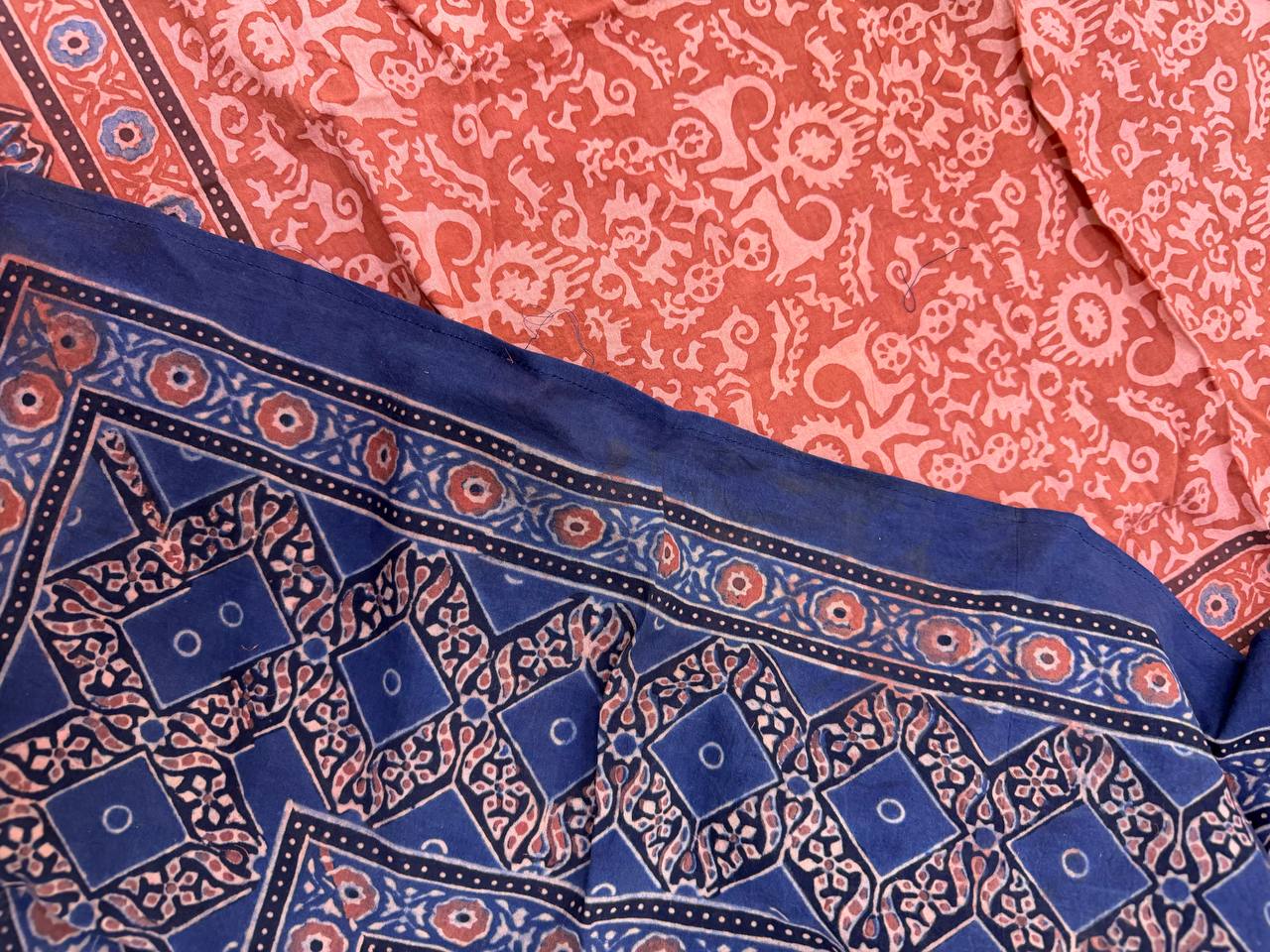
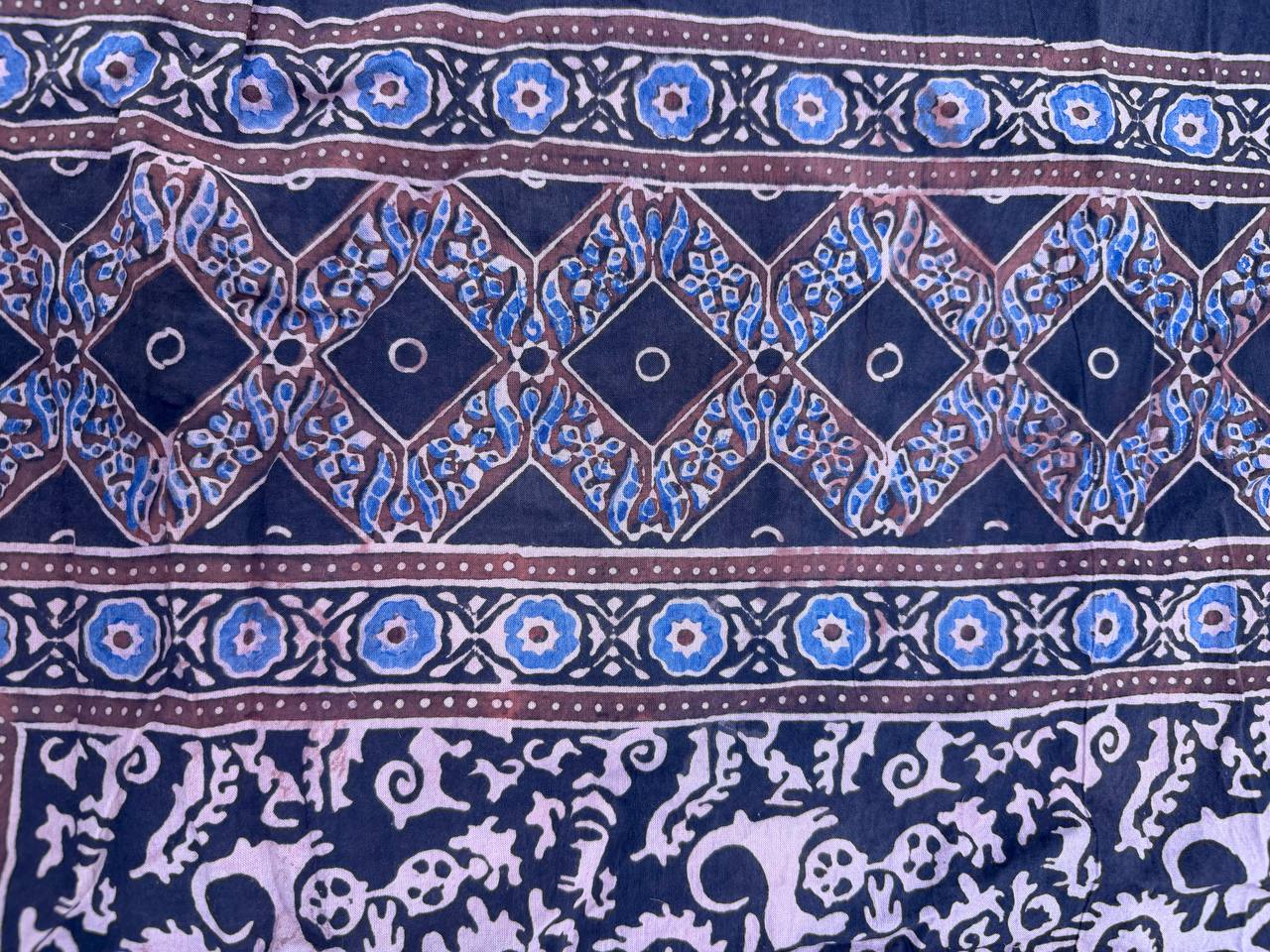
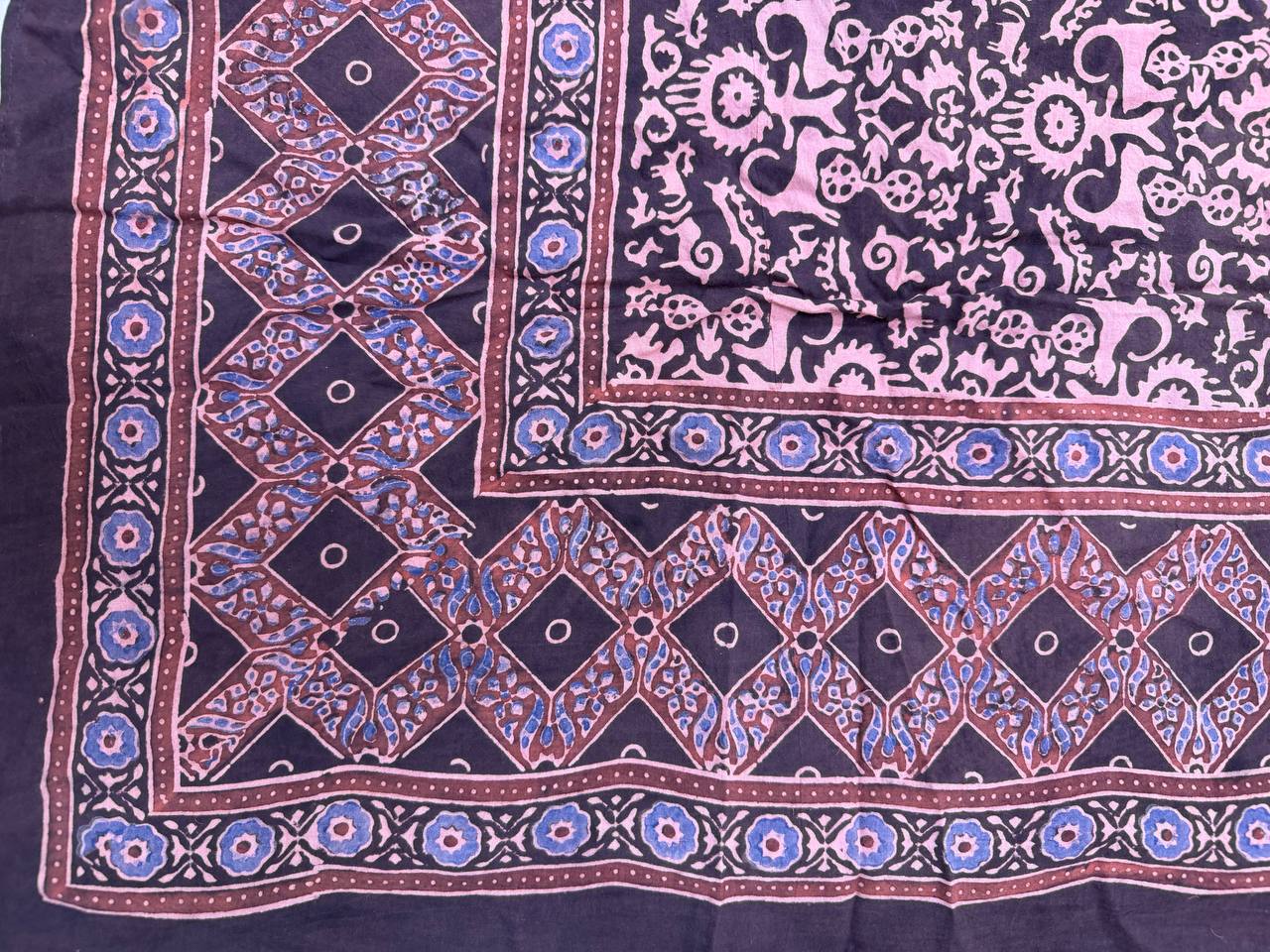
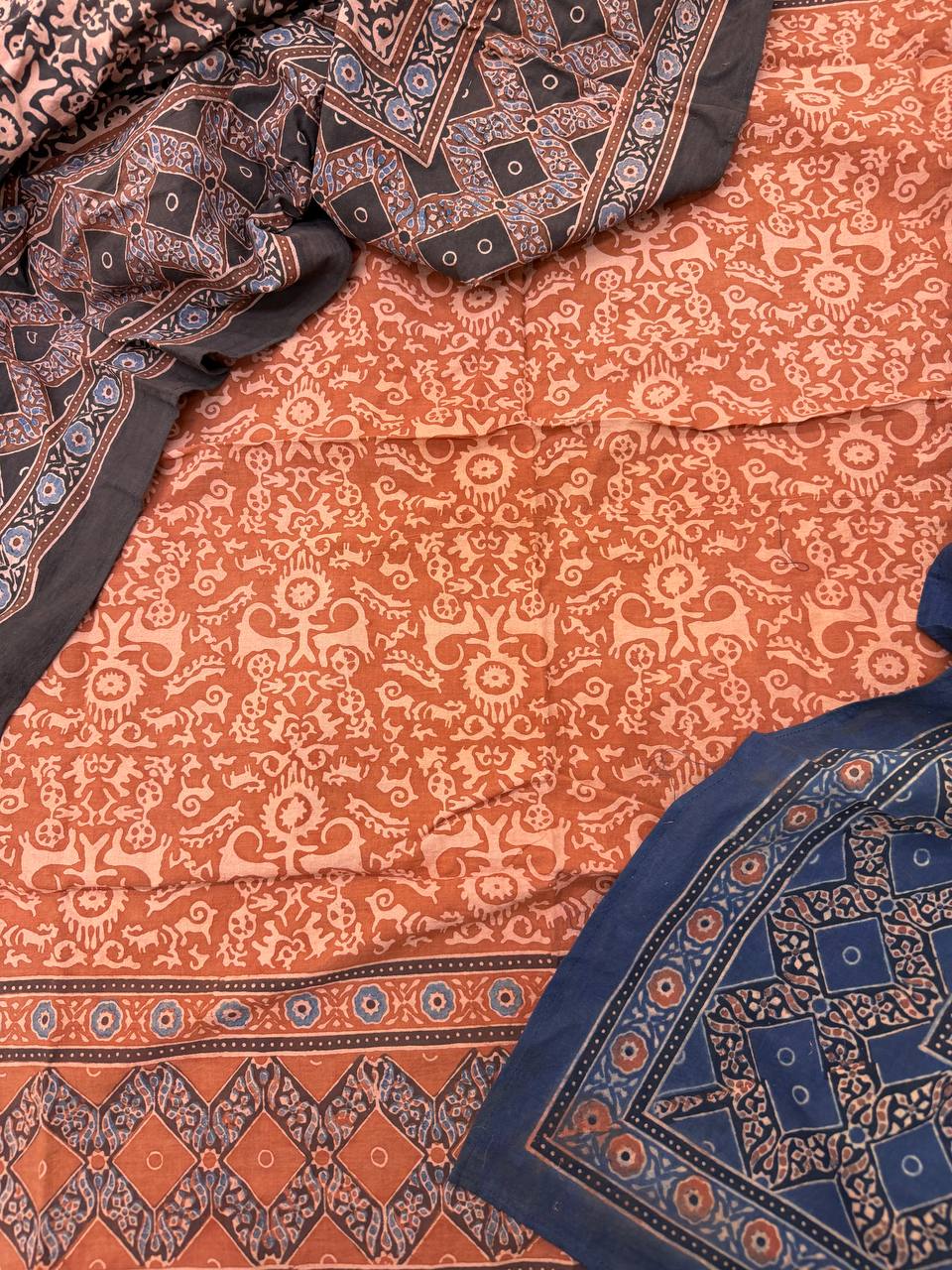
This project presents a collaborative craft initiative between the ASPARA brand (Kazakhstan) and Indian master artisans Jabbar and Mubin Khatri, working in the traditional Ajrakh hand block-printing technique.
Ajrakh is not historically part of Kazakh craft traditions. Within this project, it is used not as an imitation or stylistic borrowing, but as a technological and methodological framework for cross-cultural collaboration.
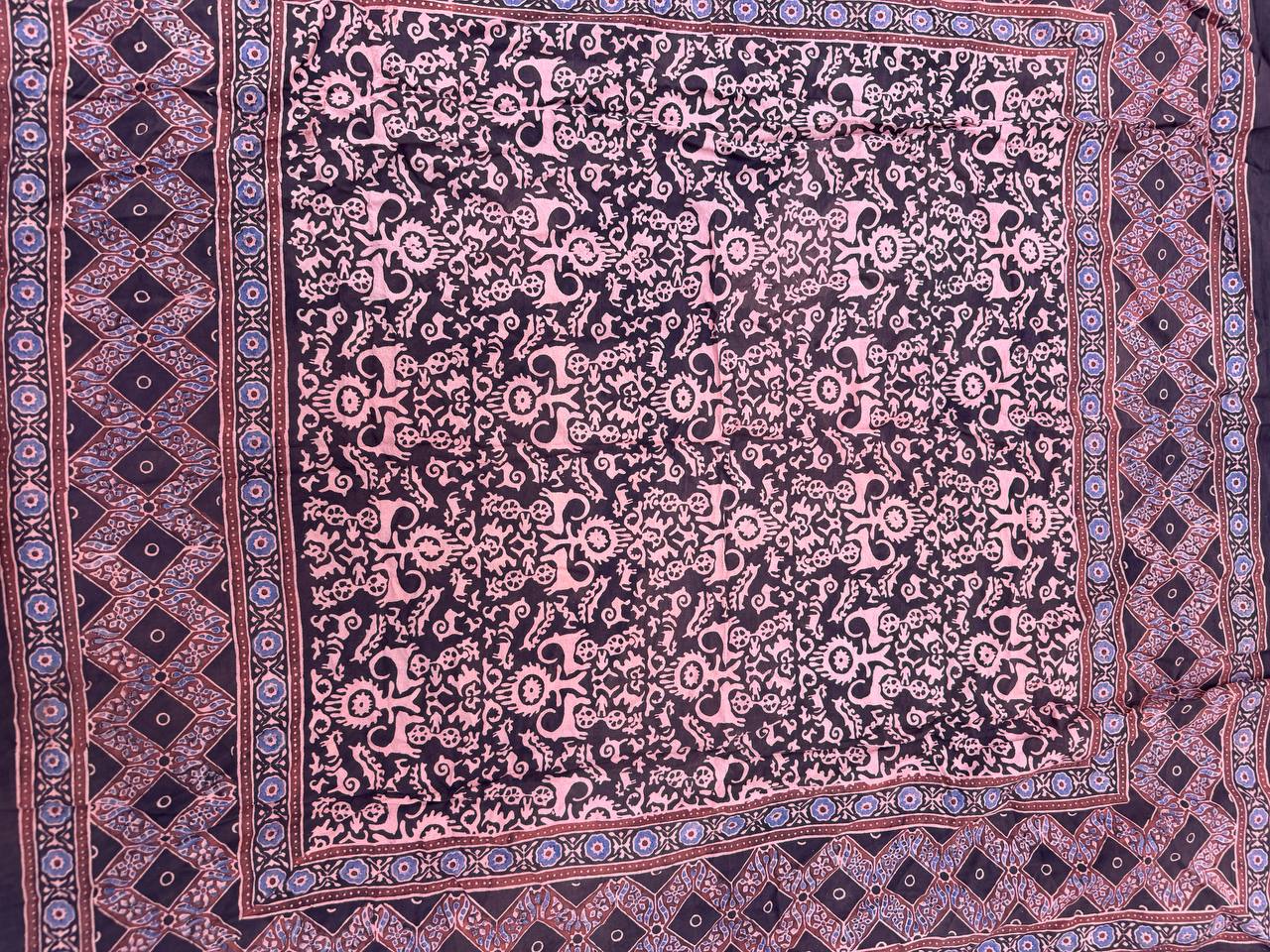
The scarves are composed with a clear structural logic:
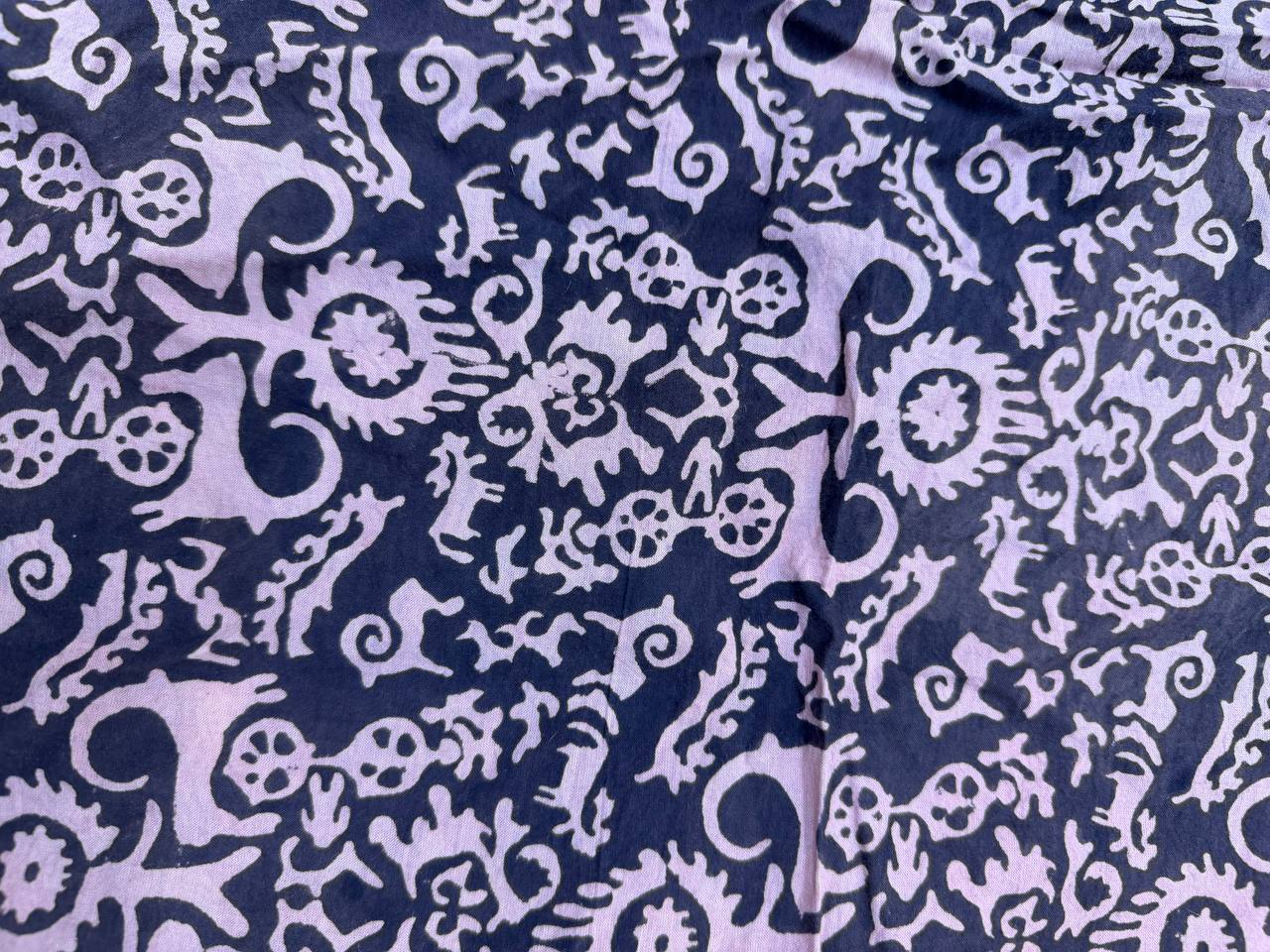
the central field features Kazakh petroglyphs, referencing the ancient visual language of the steppe;
the borders employ Indian ornamental systems, providing rhythm, modularity, and spatial order characteristic of Ajrakh textiles.
All pieces are produced using hand-carved wooden blocks, natural dyes, and a fully manual printing process. Authorship, origin, and craft lineage are explicitly acknowledged.
This project demonstrates how traditional craft technologies can:
travel across cultural and geographic contexts,
be responsibly adapted without erasing their origins,
generate contemporary design outcomes grounded in ethics, material knowledge, and professional collaboration.
The ASPARA × Ajrakh scarves serve as an applied example of the core principles of the Eurasian Council for Craft and Design (ECCD):
Craft × Design integration
Cross-cultural dialogue based on respect and authorship
Material intelligence and process transparency
Contemporary relevance of traditional techniques
This showcase marks one of the first official applied cases presented within the ECCD platform, setting a reference point for future international craft and design collaborations.
Why This Matters for ECCD
For ECCD, this project demonstrates that craft is not a static heritage category, but a professional system of transferable knowledge. Techniques such as Ajrakh can operate beyond their geographic origin when approached with ethical awareness, respect for authorship, and clear methodological intent. This positions craft as an active contributor to contemporary design ecosystems rather than a preserved artifact.
The ASPARA × Ajrakh collaboration illustrates ECCD’s stance on cross-cultural practice: meaningful exchange occurs not through stylistic fusion, but through structural dialogue — where technologies, processes, and visual systems are consciously re-contextualized without erasing their origins. Such projects establish a shared professional language between regions while maintaining cultural integrity.
Finally, this case underlines ECCD’s commitment to applied outcomes. It moves beyond theory and representation, offering a tangible model for how international craft collaboration can function in real production, design authorship, and market-facing contexts. As such, it serves as a benchmark for future ECCD-supported initiatives across Eurasia and beyond.
The mission of ECCD is to promote the sustainable development of craft and design as integral components of the contemporary creative economy, cultural heritage, and the long-term development of regions across Eurasia.
The Council is not a commercial organisation and does not distribute profits. ECCD does not engage in certification, ranking, award-related, or financial grant-making activities.
Date: 06 January 2026 Place: Kingdom of the Netherlands
Establishment of the Eurasian Council for Craft and Design (ECCD)
The Council’s activities are implemented through programme-based work, research, professional dialogue, education, and international cooperation, bringing together professional communities, educational and cultural institutions, as well as cities and regions.
ECCD is registered in the Kingdom of the Netherlands and operates in accordance with European standards of governance, transparency, and accountability.
The Eurasian Council for Craft and Design (ECCD) was established as an independent international non-profit professional platform aimed at the development of craft and design across the Eurasian space.
ECCD Showcase
ASPARA × Ajrakh
Cross-Cultural Craft as a Professional Practice
This project presents a collaborative craft initiative between the ASPARA brand (Kazakhstan) and Indian master artisans Jabbar and Mubin Khatri, working in the traditional Ajrakh hand block-printing technique.
Ajrakh is not historically part of Kazakh craft traditions. Within this project, it is used not as an imitation or stylistic borrowing, but as a technological and methodological framework for cross-cultural collaboration.
The scarves are composed with a clear structural logic:
the central field features Kazakh petroglyphs, referencing the ancient visual language of the steppe;
the borders employ Indian ornamental systems, providing rhythm, modularity, and spatial order characteristic of Ajrakh textiles.
All pieces are produced using hand-carved wooden blocks, natural dyes, and a fully manual printing process. Authorship, origin, and craft lineage are explicitly acknowledged.
This project demonstrates how traditional craft technologies can:
travel across cultural and geographic contexts,
be responsibly adapted without erasing their origins,
generate contemporary design outcomes grounded in ethics, material knowledge, and professional collaboration.
The ASPARA × Ajrakh scarves serve as an applied example of the core principles of the Eurasian Council for Craft and Design (ECCD):
Craft × Design integration
Cross-cultural dialogue based on respect and authorship
Material intelligence and process transparency
Contemporary relevance of traditional techniques
This showcase marks one of the first official applied cases presented within the ECCD platform, setting a reference point for future international craft and design collaborations.
Why This Matters for ECCD
For ECCD, this project demonstrates that craft is not a static heritage category, but a professional system of transferable knowledge. Techniques such as Ajrakh can operate beyond their geographic origin when approached with ethical awareness, respect for authorship, and clear methodological intent. This positions craft as an active contributor to contemporary design ecosystems rather than a preserved artifact.
The ASPARA × Ajrakh collaboration illustrates ECCD’s stance on cross-cultural practice: meaningful exchange occurs not through stylistic fusion, but through structural dialogue — where technologies, processes, and visual systems are consciously re-contextualized without erasing their origins. Such projects establish a shared professional language between regions while maintaining cultural integrity.
Finally, this case underlines ECCD’s commitment to applied outcomes. It moves beyond theory and representation, offering a tangible model for how international craft collaboration can function in real production, design authorship, and market-facing contexts. As such, it serves as a benchmark for future ECCD-supported initiatives across Eurasia and beyond.
ECCD Showcase
ASPARA × Ajrakh
Cross-Cultural Craft as a Professional Practice
This project presents a collaborative craft initiative between the ASPARA brand (Kazakhstan) and Indian master artisans Jabbar and Mubin Khatri, working in the traditional Ajrakh hand block-printing technique.
Ajrakh is not historically part of Kazakh craft traditions. Within this project, it is used not as an imitation or stylistic borrowing, but as a technological and methodological framework for cross-cultural collaboration.
The scarves are composed with a clear structural logic:
the central field features Kazakh petroglyphs, referencing the ancient visual language of the steppe;
the borders employ Indian ornamental systems, providing rhythm, modularity, and spatial order characteristic of Ajrakh textiles.
All pieces are produced using hand-carved wooden blocks, natural dyes, and a fully manual printing process. Authorship, origin, and craft lineage are explicitly acknowledged.
This project demonstrates how traditional craft technologies can:
travel across cultural and geographic contexts,
be responsibly adapted without erasing their origins,
generate contemporary design outcomes grounded in ethics, material knowledge, and professional collaboration.
The ASPARA × Ajrakh scarves serve as an applied example of the core principles of the Eurasian Council for Craft and Design (ECCD):
Craft × Design integration
Cross-cultural dialogue based on respect and authorship
Material intelligence and process transparency
Contemporary relevance of traditional techniques
This showcase marks one of the first official applied cases presented within the ECCD platform, setting a reference point for future international craft and design collaborations.
Why This Matters for ECCD
For ECCD, this project demonstrates that craft is not a static heritage category, but a professional system of transferable knowledge. Techniques such as Ajrakh can operate beyond their geographic origin when approached with ethical awareness, respect for authorship, and clear methodological intent. This positions craft as an active contributor to contemporary design ecosystems rather than a preserved artifact.
The ASPARA × Ajrakh collaboration illustrates ECCD’s stance on cross-cultural practice: meaningful exchange occurs not through stylistic fusion, but through structural dialogue — where technologies, processes, and visual systems are consciously re-contextualized without erasing their origins. Such projects establish a shared professional language between regions while maintaining cultural integrity.
Finally, this case underlines ECCD’s commitment to applied outcomes. It moves beyond theory and representation, offering a tangible model for how international craft collaboration can function in real production, design authorship, and market-facing contexts. As such, it serves as a benchmark for future ECCD-supported initiatives across Eurasia and beyond.